



Top All-in-One Heat Pump Water Heaters for Eco-Friendly Living
With the rising demand for energy-efficient and eco-friendly solutions, more businesses and commercial property owners are turning to innovative water heating technologies that support their sustainability goals. Among these, the all-in-one heat pump water heater has become a leading option—delivering impressive energy savings, reduced operating costs, and a lower environmental impact. In this article, we’ll highlight some of the top-performing all-in-one heat pump water heaters on the market and explain why they’re a smart choice for anyone looking to embrace sustainable living.
What Is an All-in-One Heat Pump Water Heater?
An all-in-one heat pump water heater combines a heat pump unit and a built-in storage tank into a single, compact system, offering an efficient and space-saving solution for water heating. Unlike traditional electric or gas heaters, it uses advanced heat pump technology to draw warmth from the surrounding air and transfer it to the water through a refrigerant cycle. This method significantly lowers energy consumption, resulting in reduced utility costs while ensuring a steady and reliable supply of hot water.
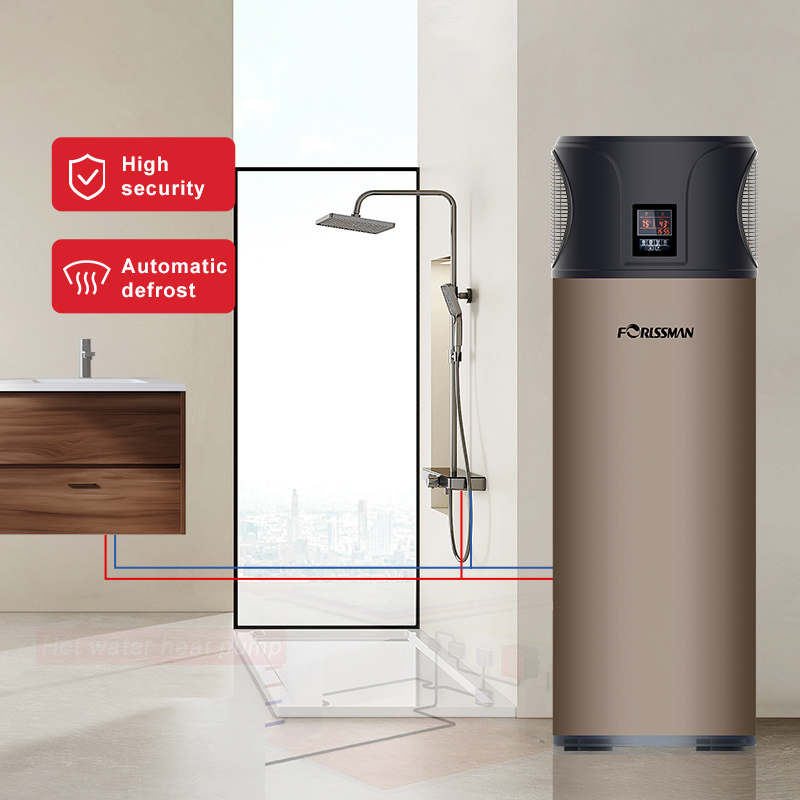
Benefits of All-in-One Heat Pump Water Heaters
Exceptional Energy Efficiency
All-in-one heat pump water heaters are highly energy-efficient, making them a preferred choice for businesses. By harnessing heat from the surrounding air, they use up to 75% less electricity than conventional electric or gas water heaters. This results in significant energy savings and lower utility bills, while also helping reduce overall carbon emissions.Environmentally Friendly Operation
Many of today’s models use eco-friendly refrigerants like R134a, which deliver strong performance with a lower environmental impact. Switching to these systems supports corporate sustainability initiatives and helps meet environmental regulations.High-Temperature Water Output
While standard heat pumps typically heat water up to 60°C, advanced all-in-one models can reach temperatures of up to 75°C. This makes them ideal for settings that demand higher water temperatures, such as hotels, hospitals, and multi-residential buildings.Smart Controls and Automation
Equipped with WiFi-enabled smart control systems, these water heaters allow for remote monitoring and scheduling. Facility managers can easily adjust settings to optimize performance, enhance efficiency, and minimize energy waste.Compact and Space-Efficient Design
Combining the heat pump and storage tank into a single integrated unit, all-in-one systems save valuable floor space. This is especially beneficial for commercial buildings where maximizing utility room space is essential.Enhanced Performance with Microchannel Heat Exchanger
These systems often feature a microchannel heat exchanger, which boosts heat transfer efficiency for faster water heating and better system performance. This design also extends the unit’s lifespan by reducing operational strain.Integration with Central Mechanical Extract Ventilation (CMEV)
Recommended article:
Some models can integrate with CMEV systems, which improve indoor air quality by extracting stale air and using its thermal energy to support water heating. This not only enhances overall efficiency but also contributes to better energy recovery in the building.
How to Choose the Best Cabinet Range Hood?
Tankless Electric Hot Water Heater vs Traditional Storage Tanks
Are You Wasting Money on Inefficient Outdoor Electric Tankless Water Heaters?
Why Choose an Outdoor Electric Tankless Hot Water Heater?
How to Choose the Best All-in-One Heat Pump Water Heater for Your Needs
Key Considerations:
Capacity & Usage: Assess the hot water demand based on your facility’s size and daily usage to select the appropriate capacity.
Energy Efficiency: Choose models with a high Coefficient of Performance (COP) and recognized industry certifications to maximize energy savings.
Refrigerant Type: Select units that use environmentally friendly refrigerants like R134a to comply with sustainability standards.
Smart Controls: Look for systems equipped with WiFi-enabled smart controls for easy remote monitoring and management.
Operating Temperature: Confirm that the water heater can reach the temperatures required for your specific applications.
System Integration: Ensure the unit is compatible with your existing HVAC infrastructure, including Central Mechanical Extract Ventilation (CMEV), to optimize energy recovery and performance.
Conclusion
Choosing an all-in-one heat pump water heater is a wise investment for businesses aiming to cut energy expenses, boost sustainability, and streamline operations. With benefits such as high-temperature capacity, advanced smart controls, and superior energy efficiency, these systems represent the next generation of commercial water heating solutions.
To learn more about how all-in-one heat pump water heaters can support your business goals, visit www.forlssman.com
- 0